May 1, 2026 — A steady economic recovery supported by a mix of new business investment and high-traffic cultural events is the finding of Chicago Loop Alliance’s “State of the Loop” report for the first quarter of 2026.
Total investment in the Loop’s built environment reached $848 million in Q1, according to the report. While the office sector continues to adjust – with occupancy levels currently at 104 percent of 2024 averages – the Loop is seeing a notable shift toward multi-use development.
Retail vacancy dropped by approximately 1 percent over the last year. Significant moves include Barnes & Noble signing a major lease at 150 North State Street and the opening of eight new businesses, with 20 more expected shortly.
- Total Investment: $848 million (Q1 2026)
- State Street Pedestrians: 18% increase year-over-year
- Retail Move: Barnes & Noble at 150 North State Street
- Economic Impact: $485 million from 1.7 million winter visitors
Development is moving beyond traditional office space. Plans for 401 South State Street include a mix of vertical farming and student housing, while 30 North LaSalle continues its office-to-residential conversion.
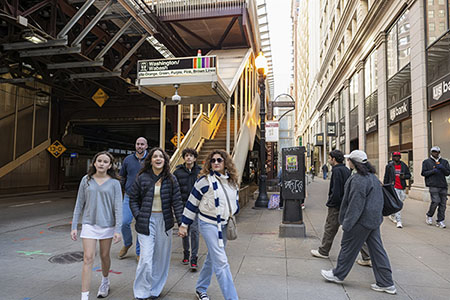
Pedestrian activity on State Street increased by 18 percent compared to Q1 2025, reaching 92 percent of 2019 levels. This was supported by a 5 percent increase in Metra ridership and steady CTA usage.
The winter months drew 1.7 million visitors to the Loop, generating an estimated $485 million in economic impact. This activity was largely driven by the theater season – which saw a 15 percent increase in attendance over last year – and major events like the St. Patrick’s Day parade and the Shamrock Shuffle, which brought over 800,000 people to the area.
The organization is undergoing a planned transition in leadership. Following the departure of Michael M. Edwards, who served as President and CEO for 13 years, the CLA has appointed Dr. Suzet M. McKinney to the role.